Set the Table, Set the Tone: Americans Are Hosting Dinner Parties Like They Actually Mean It
Somewhere between the third Zoom happy hour of 2020 and the millionth scroll through a feed full of brunch photos, something snapped. Not dramatically — more like a slow, collective exhale. People started craving something screens simply couldn't deliver: the particular warmth of a room full of people who chose to be there, a meal that took actual effort, and conversation that didn't have a mute button.
The dinner party — that very old, very human ritual — is having a genuine moment. Not the stiff, impress-the-boss version your parents hosted in the '80s, and not the chaotic potluck where someone always forgets the serving spoon. Something more intentional. More considered. More alive.
More Than a Meal
Ask anyone who's recently hosted one of these gatherings and they'll tell you the same thing: it stopped being about the food pretty quickly. Sure, the food matters — but what these hosts are really curating is an experience. A full sensory environment designed to make their guests feel like they've stepped outside of ordinary time.
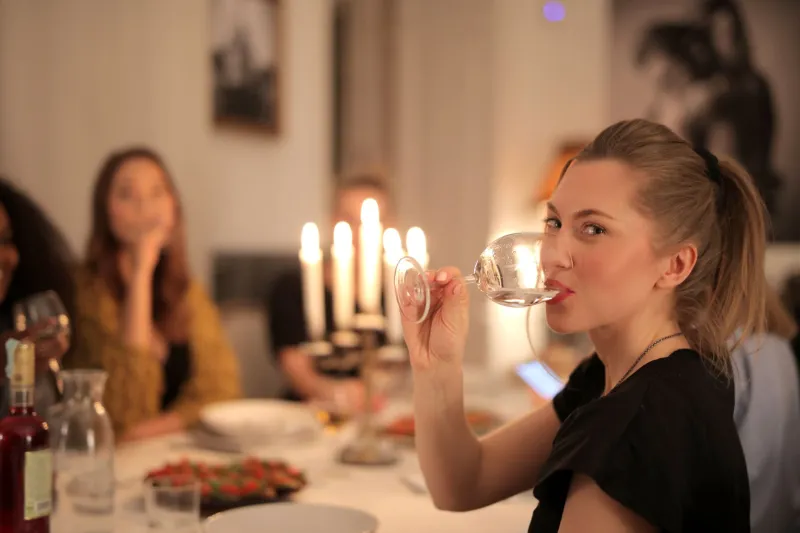
That might mean handwritten menus tucked beside each place setting, printed on cardstock with the evening's courses laid out like a program at a small theater. It might mean a table dressed with foraged branches and mismatched vintage candlesticks, or a playlist that shifts from ambient jazz during cocktail hour to something warmer and stranger as the night deepens. Some hosts are going further — assigning seats based on who they think will spark off each other, crafting conversation prompts hidden under plates, or choosing a loose theme that ties the whole evening together without making it feel like a dinner theater production.
This is hospitality as personal expression. And it's catching on.
The Anti-Algorithm Gathering
There's a reason this resurgence feels like a counterculture move. In an era where socializing has largely been flattened into content — the Instagram story from the bar, the group text that replaces actual plans, the parasocial relationship with a podcast host who feels like a friend — deliberately gathering people in a room and feeding them is almost a protest.
You can't scroll past a dinner party. You can't double-tap your way through it and move on. It demands presence in a way that digital life actively discourages. The phone goes face-down. The conversation goes somewhere real. Nobody's half-watching a show.
For a generation raised on the internet, that kind of focused, analog togetherness isn't just nostalgic — it's genuinely novel. Which might explain why so many younger Americans, people in their late twenties and thirties especially, are leaning into it so hard.
The Host as Artist
What's striking about this dinner party revival is how seriously people are taking the creative dimension of hosting. These aren't people throwing together a pasta and calling it a dinner party. They're thinking about pacing — how a meal moves through courses the way a good story moves through acts. They're thinking about texture and contrast, not just on the plate but in the room: a rough linen tablecloth against delicate glassware, a bright acidic salad before something slow-braised and heavy.
Some hosts keep journals between gatherings, sketching ideas for future evenings the way a director might develop a project. Others keep a running list of combinations — guests who haven't met yet, dishes they want to try, moods they want to create. The dinner party becomes a recurring creative practice, not a one-off event.
This is where it starts to look a lot like art. The host is working with time, space, sensory experience, and human connection as their materials. The table is their canvas. The evening is their medium.
Conversation as the Main Course
Maybe the most intentional choice these hosts make is this: they design their evenings around talking. Not networking. Not catching up on logistics. Actual, unhurried, go-somewhere conversation.
That means keeping the guest list small enough that no one gets lost — usually six to ten people, rarely more. It means choosing guests who bring different perspectives without being so different they have nothing to say to each other. It means resisting the urge to fill every silence with background noise, and instead letting the room breathe a little.
Some hosts open with a question — not a forced icebreaker, but something genuinely interesting dropped into the table conversation early enough to give it room to grow. Others let things find their own shape, trusting that good food and a little wine will do the work. Either way, the goal is the same: leave people feeling like they actually talked to someone, not just at them.
In a culture where loneliness has become something of a public health crisis, that's not a small thing.
The Table as a Cultural Statement
It's worth noting that the dinner party revival isn't happening in a vacuum. It's part of a broader cultural drift toward intentionality — toward choosing experiences over convenience, making things by hand, and investing in the physical, tangible texture of daily life. The same impulse that's driving people to bind their own books and write letters by hand is driving them to set a proper table on a Tuesday night.
There's also something quietly political about it. Gathering people across difference — across neighborhood lines, across professional bubbles, across the kinds of invisible walls that American life tends to build between people — is its own kind of community-making. The dinner table has always been a space where culture gets negotiated, where stories get told, where people figure out what they have in common. That hasn't changed. If anything, it feels more urgent.
You Don't Need a Dining Room
Here's the thing that stops a lot of people before they even start: they think they need more space, better equipment, more cooking confidence. They think a dinner party requires a dining room, a six-burner stove, and the ability to make a soufflé without panicking.
None of that is true. The hosts driving this revival are cooking in small apartments, using folding tables pushed together, serving food family-style straight from the pan. The handwritten menu doesn't need to be beautiful calligraphy — it just needs to exist, because the act of writing it changes the energy of the evening. The playlist doesn't need to be curated by a professional — it just needs to be chosen, on purpose, for this specific night.
What makes a dinner party intentional isn't production value. It's care. The decision to say: I thought about this. I thought about you. I made this evening for us.
That's the thing screens can't replicate, no matter how good the algorithm gets. And that might be exactly why the table is calling us back.